

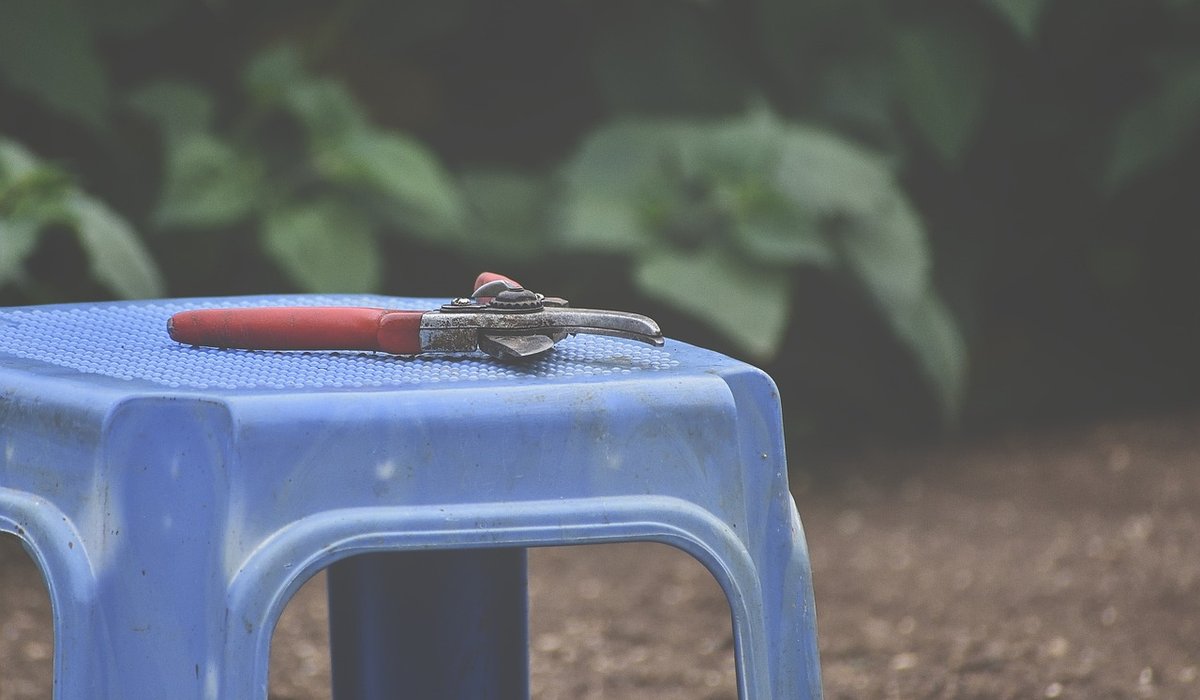
The damp challenge: why British woodlands rust tools fast
If you work in British woodlands, you know the climate is not kind to steel. A morning spent clearing hazel or splitting ash leaves tools damp with sap and sweat. A drawknife left on a bench after a day of shaving oak will show orange specks by morning. Then the shed, often unheated and a little leaky, holds that moisture against the metal. Rust can appear overnight on a billhook left in a canvas bag. The same goes for secateurs, drawknives, and axes. Wooden handles swell and shrink, leather sheaths grow mould, and edges dull. The fix is not complicated, but it must be consistent. Clean, dry, and oil your equipment before putting it away, and hang items to keep them ready for the next task.
Clean as soon as you finish
Mud and sap are the enemies of a sharp edge. Before you even leave the woods, wipe blades with a rag. At home, use a stiff brush to remove dried soil from axes and spades. For sap or resin, a cloth dampened with a little white spirit works well — but keep it away from wooden handles. A brass wire brush is gentle enough for most steel and will lift stubborn rust spots without scratching. If you have used a saw on green wood, pay attention to the teeth; packed sawdust holds moisture. Never put a tool away dirty — even a thin film of mud can trap dampness against the metal. A quick clean takes two minutes and saves hours of restoration later.
Dry thoroughly — but not with heat
After cleaning, dry every part. A dry cloth for the blade, then let air circulate. Do not be tempted to dry tools near a stove or radiator. Sudden heat can warp thin blades, crack wooden handles, and ruin the temper of a fine edge. Instead, hang them in a well-ventilated shed or workshop. If you have a damp corner, a small dehumidifier or a tray of silica gel can help. If you work with green wood, remember that sap-saturated tools need longer to dry than you might think. For tools with wooden handles, wipe away excess water and let them dry naturally. Leather sheaths should be dried away from direct heat, then treated with a little neatsfoot oil or beeswax to keep them supple.
Oil and protect: the right lubricant for the job
Once dry, apply a protective film. Camellia oil is a favourite for fine edges — it is light, food-safe, and does not gum up. For axes and billhooks, a few drops of camellia or a thin machine oil will do. Avoid motor oil or thick grease; they attract grit and can damage wooden handles. A beeswax-and-linseed-oil mix is excellent for metal and wood alike. Wipe it on, let it soak, and buff off the excess. For long-term storage, a light coat of petroleum jelly on the blade works, but remember to clean it off before use. Never store a tool with a wet or oily handle — oil can soften wood over time. Instead, treat handles separately with raw linseed oil or a dedicated wood balm.
- Camellia oil for fine edges and kitchen knives
- Beeswax and linseed oil for metal and wooden handles
- Petroleum jelly for blades going into long storage
Hang, don't heap: storage that works
The floor of a shed is where rust begins. Tools left in a pile trap moisture and knock against each other, dulling edges. Instead, fit a simple rack. A length of timber with dowel pegs or screw-in hooks will hold axes, saws, and billhooks. Hang axes by the head, not the handle, so the weight does not warp the wood. Saws should be stored with a blade guard or in a wooden sheath. Secateurs and knives belong in a tool roll or on a magnetic strip — not loose in a drawer. For small items like chisels and gouges, a canvas roll keeps them apart and lets air circulate. A simple wall-mounted rack made from oak offcuts costs almost nothing and pays for itself in saved edge repair. Off the ground, apart, and dry is the rule.
A simple monthly routine
Even with good storage, British damp finds a way. Once a month, especially from October to March, take ten minutes to check your tools. Look for rust blooms, sticky sap, or loose handles. Wipe down with an oily rag, re-oil edges, and tighten any loose ferrules. Check silica gel sachets and recharge them if needed. If you spot rust, deal with it at once: a little wire wool and oil will remove it before it pits the steel. Write the date on a scrap of paper and pin it to the rack so you never forget. A well-cared-for tool will last a lifetime and more. Your future self — and the woodland — will thank you.


Coding is used in almost all aspects of life and work now, be it directly or indirectly. It’s not just for companies in the tech sector. “An increasing number of businesses rely on computer code,
Coding is used in almost all aspects of life and work now, be it directly or indirectly. It’s not just for companies in the tech sector. “An increasing number of businesses rely on computer code,
Coding is used in almost all aspects of life and work now, be it directly or indirectly. It’s not just for companies in the tech sector. “An increasing number of businesses rely on computer code,