

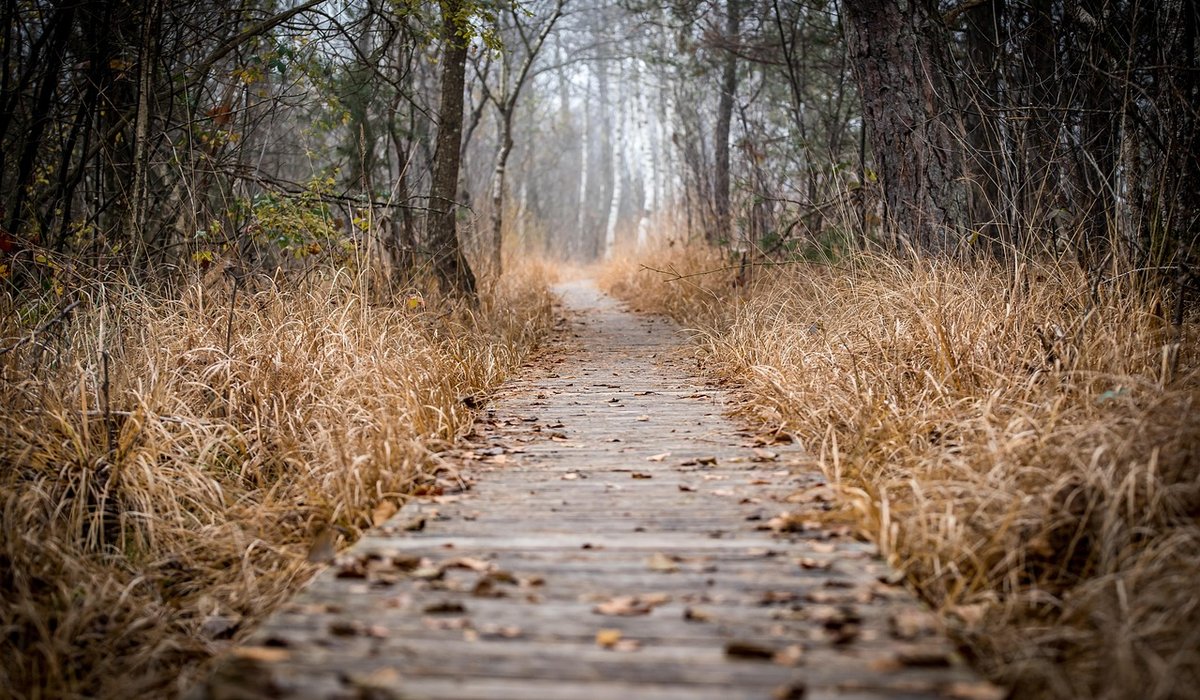
Why native shrubs earn their place in a British wood
Walk into any old English woodland and you will find the drama happening at knee and shoulder height. The canopy gets the attention, but it is the shrub layer beneath it that feeds and shelters most of the wildlife we care about. Hawthorn, blackthorn, hazel, willow and bramble flowering in succession give pollinators a continuous larder from February to November, while their berries carry thrushes, redwings and fieldfares through the lean months.
There is a practical argument too. Native shrubs support far more invertebrates than introduced garden varieties, and those caterpillars, aphids and beetles are the protein that turns a nest of blue tit chicks into a brood that fledges. A native wood that flowers, fruits, and keeps some of its tangles will look after itself far better than a tidy one.
Berry-rich shrubs for autumn and winter
Berries are the headline act for birds, and different species ripen at different times. If you plant only one, choose hawthorn. If you can plant a small group, mix an early fruiter with something that holds its crop into January.
- Hawthorn (Crataegus monogyna) — dense, thorny and unfussy, with deep red haws from September that blackbirds and redwings strip by December.
- Blackthorn (Prunus spinosa) — flowers on bare wood in March, sloes in autumn, and suckers freely into the tightets of nesting cover that dunnocks and whitethroats adore.
- Rowan (Sorbus aucuparia) — ideal at a wood edge, with orange berries taken quickly by thrushes in late summer.
- Holly (Ilex aquifolium) — evergreen shelter and long-lasting berries, though you need both a male and a female plant to get fruit.
- Guelder rose (Viburnum opulus) — translucent red berries, generous autumn colour, and good for damp ground.
- Spindle (Euonymus europaeus) — pink and orange capsules that open to reveal bright seeds, on lime-rich soils.
- Dog rose (Rosa canina) — hips for finches and field mice, and arching thorny stems that make a nest site almost impossible to raid.
- Elder (Sambucus nigra) — fast-growing, early to fruit, and a magnet for blackcaps in August.
Nectar and pollen through the seasons
Pollinators need a steady supply, not a glut. Goat willow and other willows are the single most valuable early source, flowering in March when queen bumblebees are emerging and there is little else about. Blackthorn follows on bare branches, then hawthorn in May, which carries an enormous mass of blossom in a good year.
For high summer, nothing beats bramble. It is often cursed as a weed, but its flowers feed bees, hoverflies and butterflies for weeks, and its fruit feeds dormice, badgers and you. Honeysuckle adds evening scent for moths, while ivy flowering in September and October is the great late lifeline, drawing in red admirals, wasps and hoverflies before hibernation. Plant these in the sunniest, most sheltered spots you have, as pollinators need warmth to fly at all.
Planting in layers for shelter and nesting
Wildlife wants density, not neatness. Aim for three rough layers: a low tangle of bramble and dog rose, a middle storey of hawthorn and blackthorn, and taller hazel, willow or rowan above. Plant in clusters of three to seven of the same species rather than single specimens, because birds hunt along a continuous edge of cover rather than crossing open ground.
Leave the odd decaying stump, a pile of brash and a patch of leaf litter. These are not mess; they are habitat for beetles, fungi and hibernating hedgehogs. If your shrubs are established and leggy, coppice or lay them in rotation so that you always have some dense young growth alongside older, fruiting stems. Never clear more than a third of a thicket in any one winter.
Planting and aftercare the British way
- Plant bare-root whips between November and March, while the plants are dormant and the ground is neither frozen nor waterlogged.
- Space at roughly 60cm for a thicket, 1.5m if you want scattered specimens with room to spread.
- Fit spiral guards against rabbits and deer, and stake only where wind-rock is a real risk.
- Mulch with bark chip and keep a metre of grass clear around each plant for the first three years.
- Water well in dry spells during the first two summers, then leave them to it.
- Cut newly planted whips back by a third after planting to encourage bushy growth from the base.
Useful material from the same shrubs
Good woodland care and good craft come from the same pruning saw. Hazel worked on a seven to ten year rotation yields straight rods for hurdles, bean poles, pea sticks and walking sticks, and the cut stools throw up fresh growth that is superb nesting cover. Willow gives you withies for baskets and plant supports. Elder has a soft, hollow pith that has been used for whistles and beads for centuries, and spindle wood was once favoured for, unsurprisingly, spindles and skewers.
Cut in winter, before the sap rises and while birds are not nesting, and always leave some standing stems and fruiting branches behind. Take a basket of material, leave a wood that is richer than you found it, and the birds and bees will do the rest.


Coding is used in almost all aspects of life and work now, be it directly or indirectly. It’s not just for companies in the tech sector. “An increasing number of businesses rely on computer code,
Coding is used in almost all aspects of life and work now, be it directly or indirectly. It’s not just for companies in the tech sector. “An increasing number of businesses rely on computer code,
Coding is used in almost all aspects of life and work now, be it directly or indirectly. It’s not just for companies in the tech sector. “An increasing number of businesses rely on computer code,